A phone location ping, a cloud file log, a dashcam clip, or a payment timestamp can now explain an event before anyone writes a statement. Modern devices do not only help people communicate, move, pay, or work - they also make digital tracking a quiet force behind modern accountability. They also create records of those actions in the background.
That record is becoming important across transport, workplaces, homes, finance, healthcare, and online platforms. It can protect people, expose mistakes, verify claims, and improve safety. At the same time, it can also create pressure when tracking becomes constant, unclear, or taken out of context.
The Digital Trail Behind Daily Life
Most people do not think of their devices as accountability tools, but that is what many of them have become. A smartphone records movement. A workplace app records access. A smart doorbell records visitors. A vehicle system records speed and braking. A payment app records time, amount, and recipient.
These records matter because they turn ordinary activity into a timeline. When something goes wrong, the question is no longer only “what happened?” It is also “what does the digital trail show?”
| Technology | What It Records | Accountability Use |
|---|---|---|
| Smartphones | Location, calls, app activity, messages | Shows movement and communication patterns |
| Dashcams and vehicle sensors | Speed, braking, route, road footage | Helps review driving behavior and incidents |
| Cloud platforms | File access, edits, downloads, logins | Shows who changed or viewed information |
| Smart cameras | Entry, movement, deliveries, security events | Adds visual context to disputes |
| Payment apps | Transaction time, amount, recipient | Confirms purchases, refunds, and transfers |
| Wearables | Heart rate, steps, sleep, falls | Adds health and activity context |
The strength of these systems is that they record activity as it happens. A person may forget the exact time a file was opened, a vehicle stopped, or a package arrived. A digital system usually does not.
Accountability Now Starts With Data
In the past, accountability depended heavily on memory, paperwork, and witness statements. Those still matter, but they are now often supported or challenged by device records.
For example, a delivery company can check GPS movement, warehouse scans, driver app updates, and doorstep photos to understand why a package was late. A business can review login history, document edits, and download activity to trace how a confidential file moved. A vehicle owner can use telematics data to understand harsh braking, route changes, or sudden stops.
This does not mean digital records are always complete. A GPS ping can be inaccurate. A camera can miss the cause of an event. A dashboard can measure activity but not effort. Still, these records give accountability a stronger starting point because they create a sequence that can be checked.
Small Signals Can Change the Story
A single data point may look minor. But several small records can create a much clearer picture.
A cloud login at 9:12 p.m. may not prove much by itself. If it is followed by a file download, a new device login, a location change, and a deleted message, the pattern becomes more important. The same applies to transport. Hard braking alone may look careless, but dashcam footage may show a cyclist crossing suddenly.
This is where digital tracking becomes powerful. It connects scattered signals.
Useful signals often include:
- location records that show movement or presence
- timestamps that show sequence
- access logs that show who entered a system
- camera footage that adds visual detail
- transaction records that confirm exchanges
- device data that shows behavior before and after an event
Together, these signals can support a claim, challenge a claim, or reveal that the real issue was a system failure rather than one person’s mistake.
Transport Shows the Shift Clearly
Transport is one of the clearest examples of digital accountability. Modern vehicles are no longer just machines. They are connected systems that collect driving and performance data.
Dashcams show road events. GPS systems show routes. Telematics tools track speed, braking, acceleration, and time of day. Ride-share apps record pickup points, drop-off points, driver details, and trip history. Delivery fleets use tracking to measure route efficiency, driver behavior, and package status.
This can improve safety. A fleet manager can identify repeated speeding patterns. A driver can use dashcam footage to explain what happened on the road. An insurance provider may review telematics data when pricing usage-based policies.
The risk is that driving data can be judged too narrowly. A sudden stop may look unsafe until the camera shows a child, animal, or vehicle cutting across the road. The technology gives the record, but context gives the meaning.
Workplaces Are Becoming More Traceable
Digital accountability is also changing modern work. Many tasks now happen inside software, which means many actions leave a record.
A project management tool can show when a task moved from one stage to another. A cloud document can show who edited a paragraph. A customer support platform can show how long a ticket stayed open. A security dashboard can show who accessed a restricted file.
This is useful when companies need to understand mistakes, delays, leaks, or process failures. Instead of relying only on status updates, managers can review actual system activity.
| Workplace Area | Tracking Example | What It Helps Explain |
|---|---|---|
| Cloud documents | Edit history and version control | Who changed what and when |
| Cybersecurity | Login alerts and access logs | Suspicious account activity |
| Customer support | Ticket history and response time | Delays, missed replies, unresolved cases |
| Project tools | Task movement and approvals | Workflow bottlenecks |
| HR and access systems | Badge entries and device logins | Attendance and restricted access |
But workplace tracking has to be handled carefully. If every click, pause, and login becomes a performance signal, employees may feel monitored rather than supported. A person reading, planning, or solving a problem away from the screen may look “inactive” to a poor tracking system.
Good workplace tracking should improve systems, not reduce people to dashboard numbers.
Smart Homes Bring Tracking Into Private Spaces
Smart home technology has made accountability more personal. Doorbell cameras, smart locks, home sensors, voice assistants, and connected appliances can record activity inside and around private spaces.
A smart lock can show when a door opened. A doorbell camera can confirm a delivery. A security camera can record movement outside a home. Energy monitors can show unusual usage. These tools can help homeowners verify events without guessing.
For example, a missing package dispute may be easier to resolve if the camera shows whether the item was delivered, picked up, or never placed at the door. A smart lock can help confirm whether a cleaner, guest, or family member entered at a specific time.
The concern is that homes are sensitive spaces. Tracking may protect people, but it can also record visitors, neighbors, children, and private routines. This makes transparency important. People should know when they are being recorded and how that data is stored.
AI Is Turning Records Into Decisions
The next phase of digital tracking is not just collection. It is interpretation.
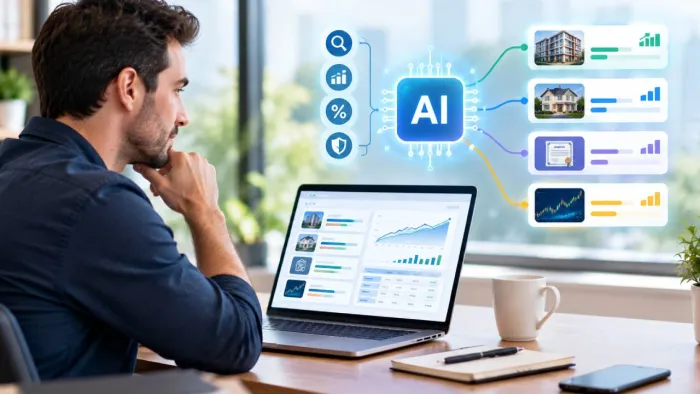
AI systems can scan large volumes of tracking data and find patterns faster than humans. Banks use automated systems to flag unusual transactions. Cybersecurity platforms detect strange login behavior. Fleet tools identify risky driving patterns. Retail systems analyze camera footage and purchase activity to detect fraud or theft.
This makes accountability faster and more predictive. A system can warn a company before a machine fails, before an account is fully compromised, or before a driver’s repeated behavior becomes dangerous.
But AI also creates a new challenge. A score or alert can look more certain than it really is. If the data is incomplete, the AI’s conclusion may be unfair. A productivity tool may mistake quiet research time for inactivity. A fraud system may flag a legitimate transaction because it does not fit the user’s usual pattern.
AI can make tracking smarter, but it should not remove human review from important decisions. For example, a delivery driver flagged for "inefficient routing" by an AI system may have taken a detour to avoid a road closure. A worker marked "inactive" may have been in a meeting away from their screen. In both cases, the AI produces a signal, not a verdict. Human review remains essential to turn that signal into a fair outcome.
The Real Benefit Is Better Verification
Digital tracking is useful because it makes events easier to verify. It helps people move from assumption to evidence.
It can support accountability by helping to:
- confirm timelines instead of relying only on memory
- identify errors in systems, routes, payments, or workflows
- reduce false claims and missing information
- improve safety in vehicles, workplaces, and homes
- detect fraud, misuse, or unusual behavior faster
- give users more control over their own habits and records
A screen-time report can show where attention is going. A finance app can reveal spending patterns. A wearable can show sleep changes. A smart meter can reveal unusual energy use. These examples show that accountability is not always about blame. Sometimes it is about awareness and correction.
The Risk Is Data Without Context
The biggest problem with digital tracking is not that it records too much. It is that records can be read too narrowly.
A location record may show where a phone was, not who was carrying it. A camera may show a fall, not what caused it. A driver score may show sharp braking, not the road hazard behind it. A work dashboard may show idle time, not thinking time.
This is why digital accountability needs context. The strongest records are usually not single data points. They are combinations of logs, timestamps, visuals, device activity, and human explanation.
Technology can show what happened. It cannot always explain why it happened.
Conclusion
The digital trail behind daily life is reshaping accountability by turning everyday actions into an audit record that can be reviewed, compared, and questioned. Phones, vehicles, cameras, cloud platforms, payment apps, wearables, and AI systems now create a detailed trail around movement, timing, behavior, access, and responsibility.
This makes accountability more precise and harder to ignore. It can improve safety, reduce disputes, verify claims, and expose weak systems. But it also creates risks when tracking becomes excessive, hidden, or judged without context.
The future of accountability will not be decided by who collects the most data. It will depend on who uses that data fairly, accurately, and transparently. Digital tracking can make the record clearer, but human judgment is still needed to understand the full story.